Social Media · 7 min read
Does Social Media Actually Generate B2B Leads?
The honest answer: rarely on its own, and reliably when it plays the right role. Here is what social media actually does for a B2B pipeline, and how to make it produce inquiries instead of likes.
By Hivex Digital ·
Every B2B business owner has had this doubt while approving another round of social posts: is any of this actually producing leads, or are we just feeding an algorithm? It is a reasonable question, and the honest answer is more useful than either the yes-it-is-magic pitch or the no-it-is-worthless dismissal.
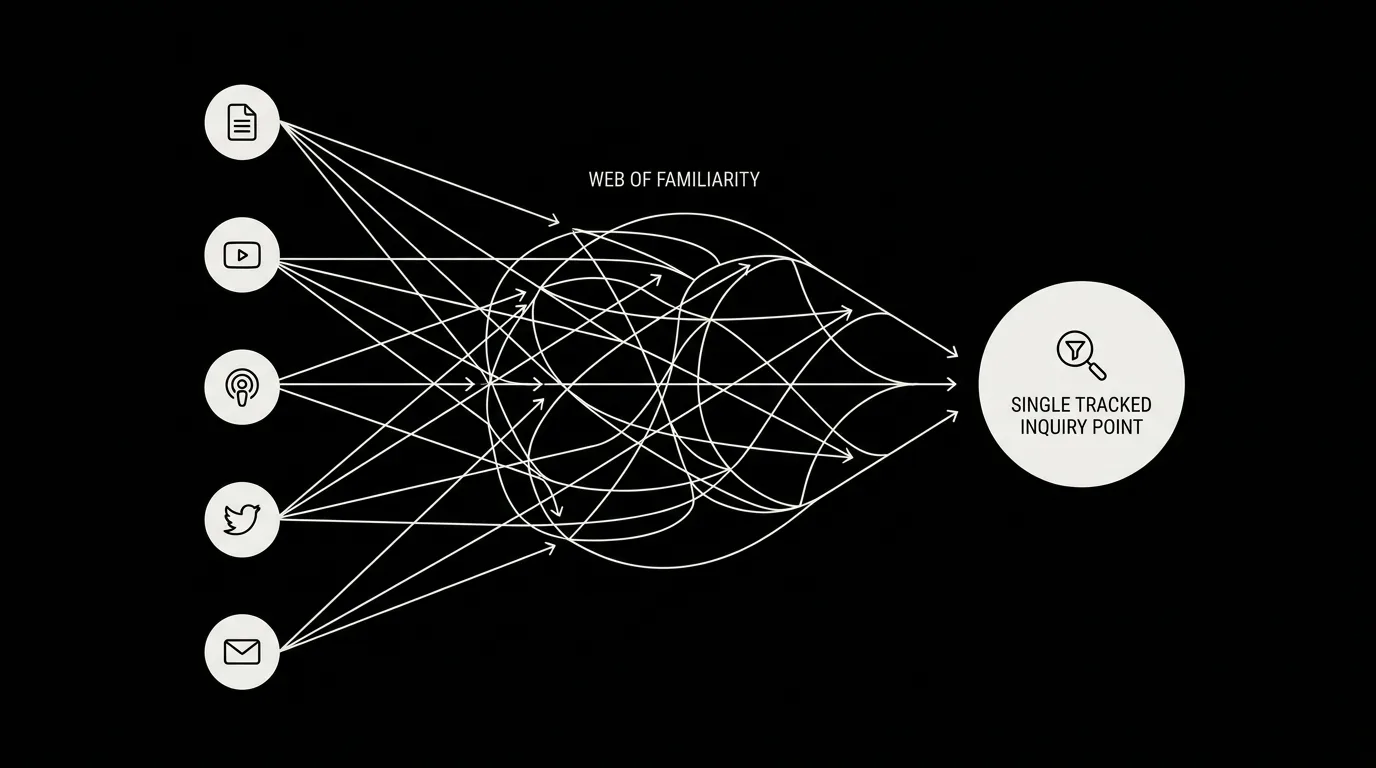
Social media rarely generates B2B leads the way an ad or a search result does, as a direct, trackable, last-click event. But it reliably does something that matters just as much, and most attribution models completely miss it.
What role does social media actually play in B2B?
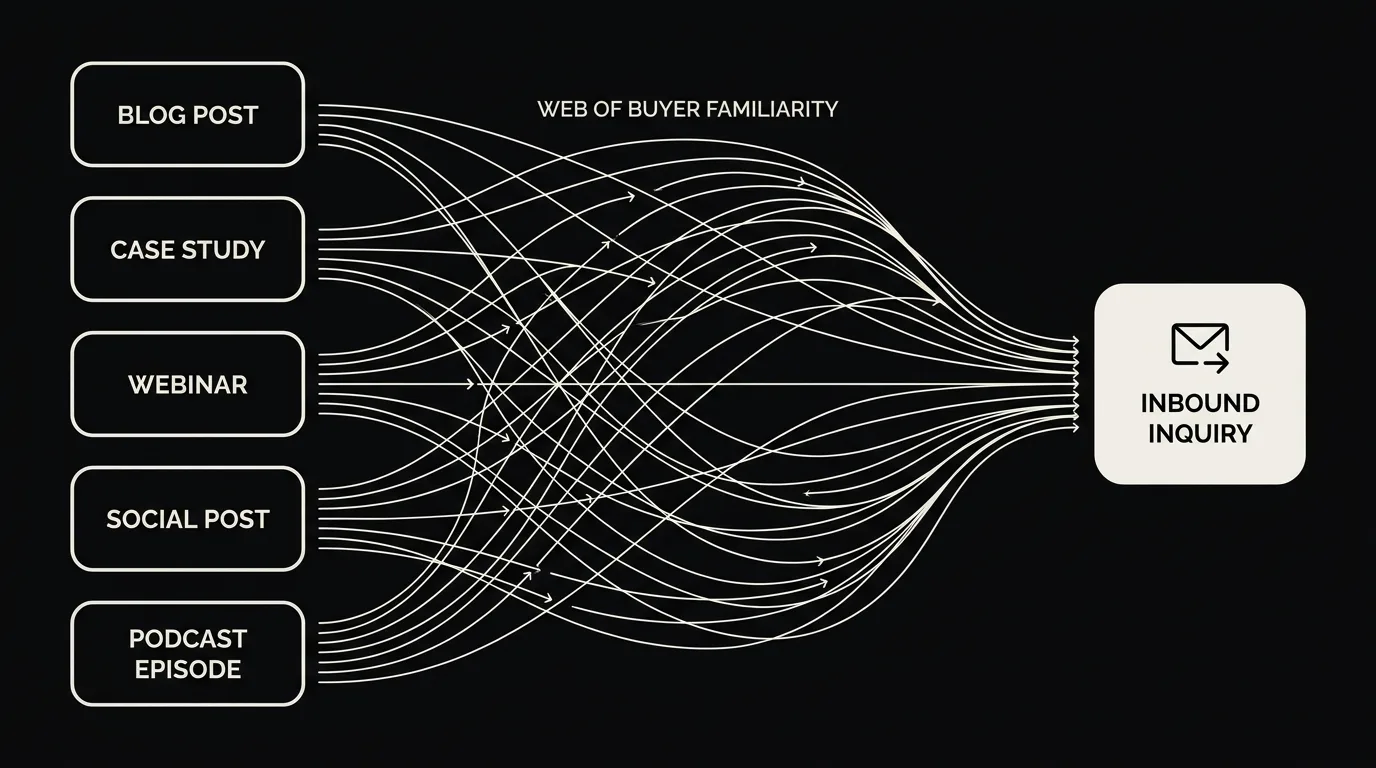
B2B buying is a quiet, drawn-out process. By the time a buyer fills out your form, they have usually spent weeks or months researching, and a lot of that research happens on social media where you never see it. They read your posts, they watch how you talk about their problems, they check whether you look alive and credible. None of that shows up as a lead until much later, when they finally reach out already half-convinced.
So social media is not usually the thing that closes the lead. It is the thing that makes the eventual Google search, the referral, or the ad click land on a name the buyer already trusts. That is a real job, and it is worth money, but it is invisible if you only look at last-click reports.
Most B2B social media does not create the lead. It makes sure that when the lead is ready, you are the name they already recognize and trust.
Why LinkedIn leads for B2B
For B2B specifically, LinkedIn is usually the primary channel, and the reason is simple: it is where your buyers and decision-makers actually research. They are in a professional mindset, they are open to industry content, and authority-led posts educate them before the sales call ever happens. The other platforms have their place for awareness and retargeting, but for reaching people who make buying decisions, LinkedIn does the heavy lifting.
The content that works there is not promotional. It is the kind that teaches your buyer something about their own problem, so that when they need help, you are the one who has already demonstrated you understand it.
When social media is a waste of money
We will say plainly what a lot of agencies will not: for some businesses, social media is the wrong place to spend. If your bigger leak is a slow website, unanswered leads, or ad spend leaking into the wrong audiences, posting consistently on Instagram will not fix any of that, and doing it first is a distraction from the problem actually costing you deals.
Social also fails when it is treated as a vanity exercise: posting for engagement, chasing likes, measuring success by follower count. Likes are not leads. If your social presence never connects to a way for a buyer to become an inquiry, it is a hobby with a marketing budget.
How to make B2B social actually produce inquiries
The businesses that get real pipeline from social do a few specific things differently.
- Publish authority content that educates buyers about their problem, not posts that only announce your company.
- Pick the one or two platforms where your buyers actually are, usually LinkedIn for B2B, and ignore the rest rather than spreading thin.
- Keep a consistent cadence. Familiarity compounds, and going dark for weeks resets the progress you built.
- Connect profiles and content to lead capture and your CRM so attention has somewhere to convert.
- Measure assisted inquiries and ask new leads how they found you, so social gets credit for the influence last-click attribution hides.
The honest verdict
Does social media generate B2B leads? Not usually on its own, and not on a last-click report. But run as a consistent authority engine, focused on the platform where your buyers research and wired to capture, it builds the familiarity and trust that make every other channel convert better. That is why we only sell it when it fits the funnel, and why we tell clients plainly when their budget belongs somewhere else first.
Treat social as the trust layer of your pipeline, not the closer, and measure it on the inquiries it assists rather than the likes it collects. Judged that way, it earns its place. Judged as a direct-response channel, it will almost always disappoint you.
Frequently asked questions
Rarely as a direct, last-click source, and reliably as a demand and trust builder that feeds the channels that do convert. Most B2B buyers research quietly on social before they ever fill out a form, so social influences far more pipeline than last-click attribution credits it for. Judge it on assisted inquiries, not just direct form fills.
LinkedIn leads for most B2B because that is where buyers and decision-makers research and where professional authority content lands. Other platforms can support awareness and retargeting, but for B2B credibility and reach among buyers, LinkedIn is usually the primary channel.
Longer than ads and shorter than SEO for building recognition. Consistent authority content typically takes a few months to build enough familiarity that it shows up as inbound inquiries and warmer sales calls. Consistency matters more than volume; going dark for weeks resets the compounding.
Connect your profiles and content to lead capture and your CRM, use dedicated links and forms, and ask new leads how they found you. Because social often assists rather than closes, combine tracked links with self-reported attribution to see the full influence, not just the last click.