Paid Ads · 8 min read
Google Ads vs Meta Ads: Which Is Better for Leads in 2026?
It is the wrong question, and asking it the right way changes where your budget goes. The two platforms do different jobs. Here is how to decide which fits your business, or whether you need both.
By Hivex Digital ·
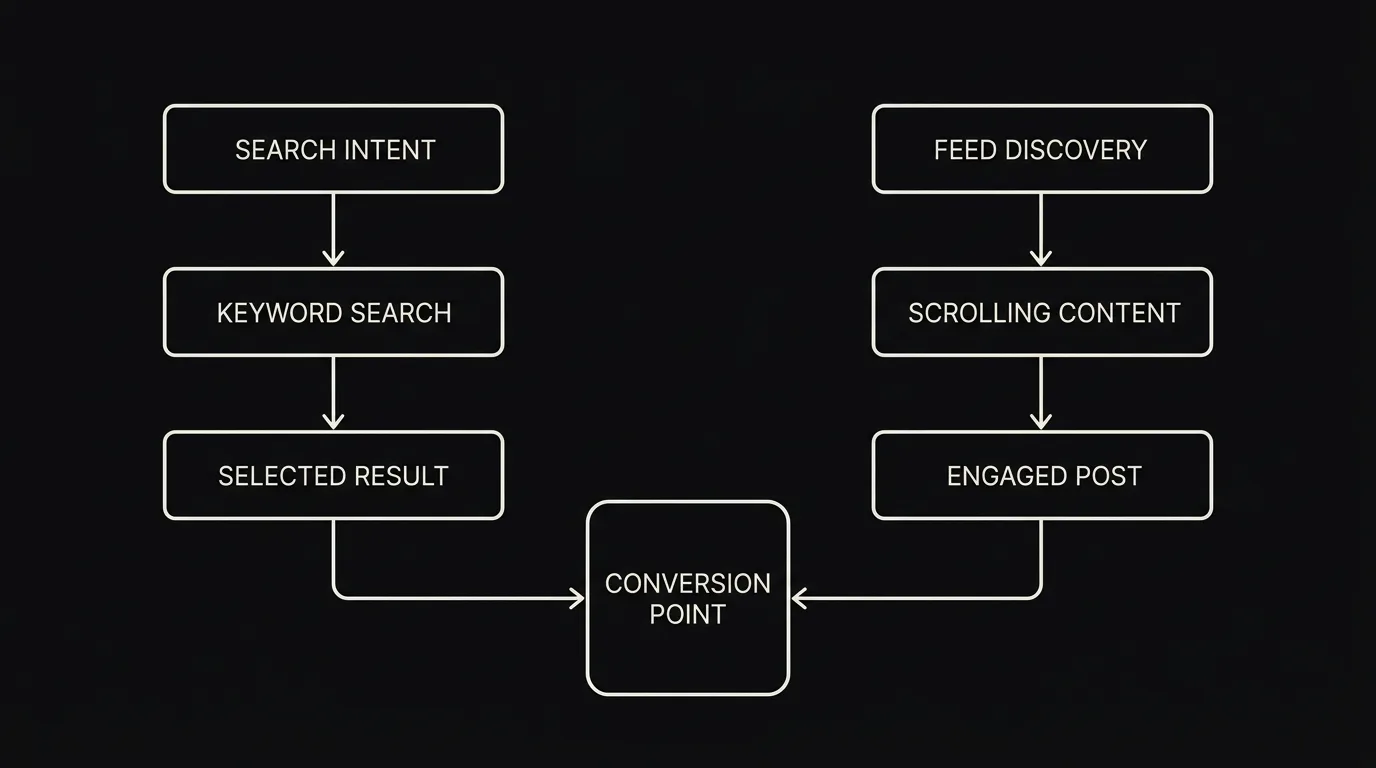
Google Ads or Meta Ads is one of the most common questions we get, and it is usually asked as if one platform is simply better than the other. It is not. Asking which wins is like asking whether a hammer beats a screwdriver. They do different jobs, and the right answer depends entirely on what you are trying to build.
The difference between the two comes down to one word: intent. Understand that, and the budget decision mostly makes itself.
Intent versus interruption
Google is an intent platform. People type what they want, and you pay to appear as the answer. Someone searching emergency plumber Atlanta has a problem right now and is looking to hire. You are not convincing them they have a need; you are competing to be the one they pick. That intent is why Google clicks cost more and convert faster.
Meta is an interruption platform, and that is not an insult. People scroll Facebook and Instagram without shopping for anything. Your ad interrupts them with something relevant to who they are. You are creating demand, not capturing it. That is why Meta reach is cheap, and why it takes stronger creative and a clearer offer to convert, because you have to earn attention that nobody came looking to give.
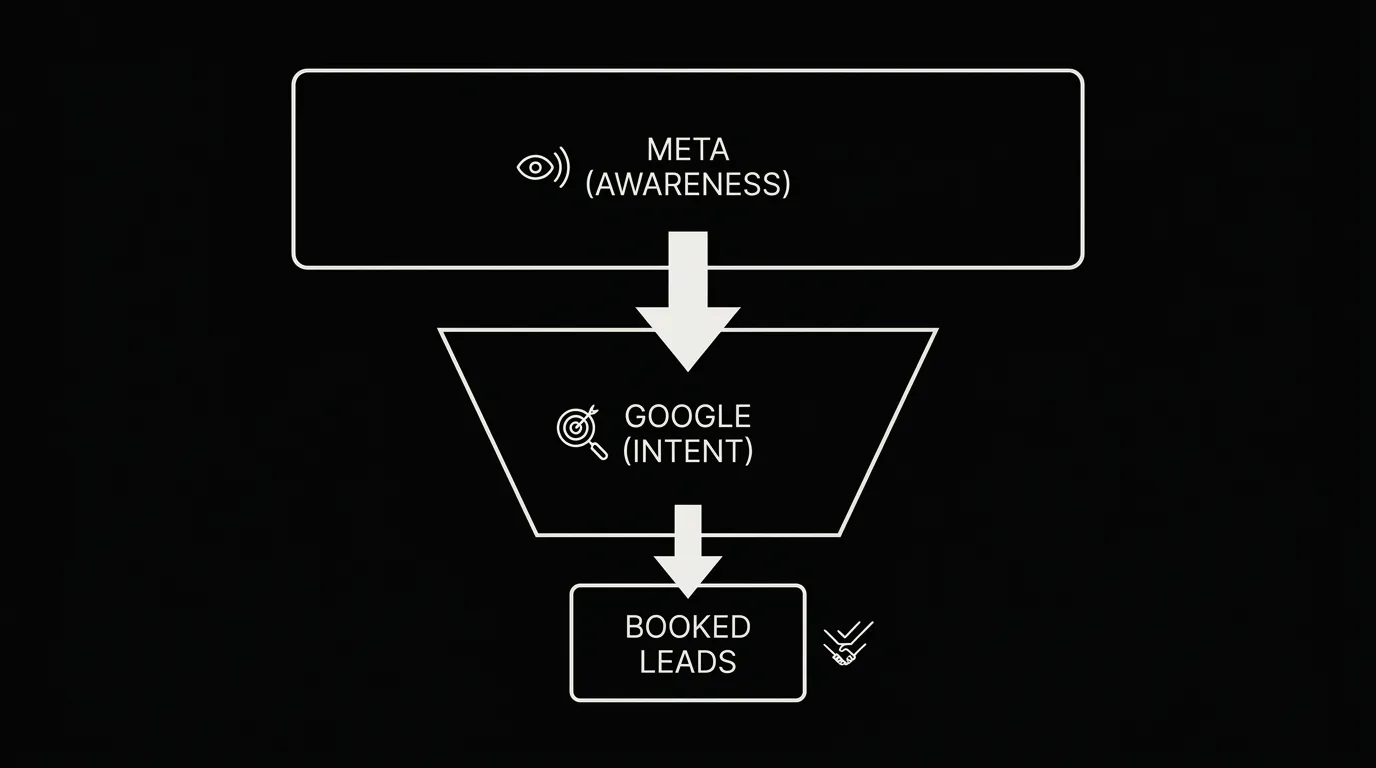
Google captures demand that already exists. Meta creates demand that did not. Most businesses need both, in that order of clarity.
The one question that decides your platform
Before comparing features, answer this: are people already searching for what you sell? That single question points you to the right platform faster than any feature chart.
If buyers are already searching, start with Google
Established demand means Google is your first move. Home services, legal, medical, B2B software with a known category, anything a person types into a search bar when they are ready to act. You are meeting buyers at the moment of decision. Start where the intent already lives, capture it, and prove the funnel converts before you spend to create new demand.
If you have to create the demand, start with Meta
New products, impulse or lifestyle purchases, and categories people do not know to search for are Meta's territory. Nobody searches for a product they have never heard of. Meta lets you put it in front of the exact demographic and interest profile that should want it, at a cost per impression Google cannot match. You build the awareness that eventually turns into branded searches.
Is Google Ads or Meta cheaper per lead?
People compare the two platforms on cost per click and conclude Meta is cheaper. It is, per click and per impression, often by a wide margin. But cost per click is a vanity comparison. A three dollar Google click from someone searching your exact service can be worth more than ten fifty-cent Meta clicks from people who were mid-scroll and forgot you existed a second later.
The only number that settles it is cost per qualified lead, or better, cost per closed customer. We have seen accounts where Google looked expensive per click and turned out to be the cheapest source of actual revenue, and others where Meta retargeting quietly carried the whole funnel. You cannot know until you track conversions properly, which is exactly why most businesses arguing about platforms are arguing without the data to settle it.
When you need both
For a lot of businesses the mature answer is both, run as a single funnel rather than two competing line items. Meta builds awareness and familiarity among people who match your customer profile. Some of them then search for you or your category, and Google captures them at that high-intent moment. Retargeting stitches the two together, following up with people who engaged but did not convert.
The failure mode is running them in silos: two platforms, two teams, two sets of goals, fighting over the same budget with no shared logic. When Google and Meta share one funnel and one definition of a qualified lead, they stop competing and start covering different stages of the same journey.
Our take: platform is the second decision, not the first
We do not start a client on either platform until the offer and the proof are locked, because ads only accelerate what already works. A sharp offer with real proof will convert on both platforms. A weak one will burn money on both. Once that foundation is set, the platform choice is straightforward: go where your buyers already are, capture the intent that exists, then spend to create more of it.
So the honest answer to Google versus Meta is that the question is backwards. Decide what job you need done, capturing demand or creating it, and the platform is just the tool that fits.
Frequently asked questions
Neither is universally better. Google captures people already searching for what you sell, so it wins on intent and usually converts faster. Meta creates demand by putting you in front of people who fit your customer profile but were not searching, so it wins on reach and cost per impression. The right choice depends on whether buyers are already looking for your service.
Meta is far cheaper per impression and often per click, because you pay for attention rather than intent. Google costs more per click but the clicks come from people actively looking to buy, so a higher cost per click can still mean a lower cost per actual customer. Compare on cost per qualified lead, not cost per click.
Many businesses should, because the platforms cover different stages. Meta builds awareness and demand among people who fit your profile; Google captures that demand when they search. Run as one funnel with shared goals rather than two silos fighting for the same budget.
Google usually leads for B2B because buyers search for specific solutions, and LinkedIn or Meta can support it for awareness and retargeting. The deciding factor is whether your buyers actively search for what you offer or need to be shown it first.