Marketing Automation · 6 min read
Speed to Lead: Why Answering in 5 Minutes Wins the Deal
The single biggest predictor of whether you close an inbound lead is not your pitch or your price. It is how fast you respond. Here is the data, and how to make five-minute response automatic.
By Hivex Digital ·
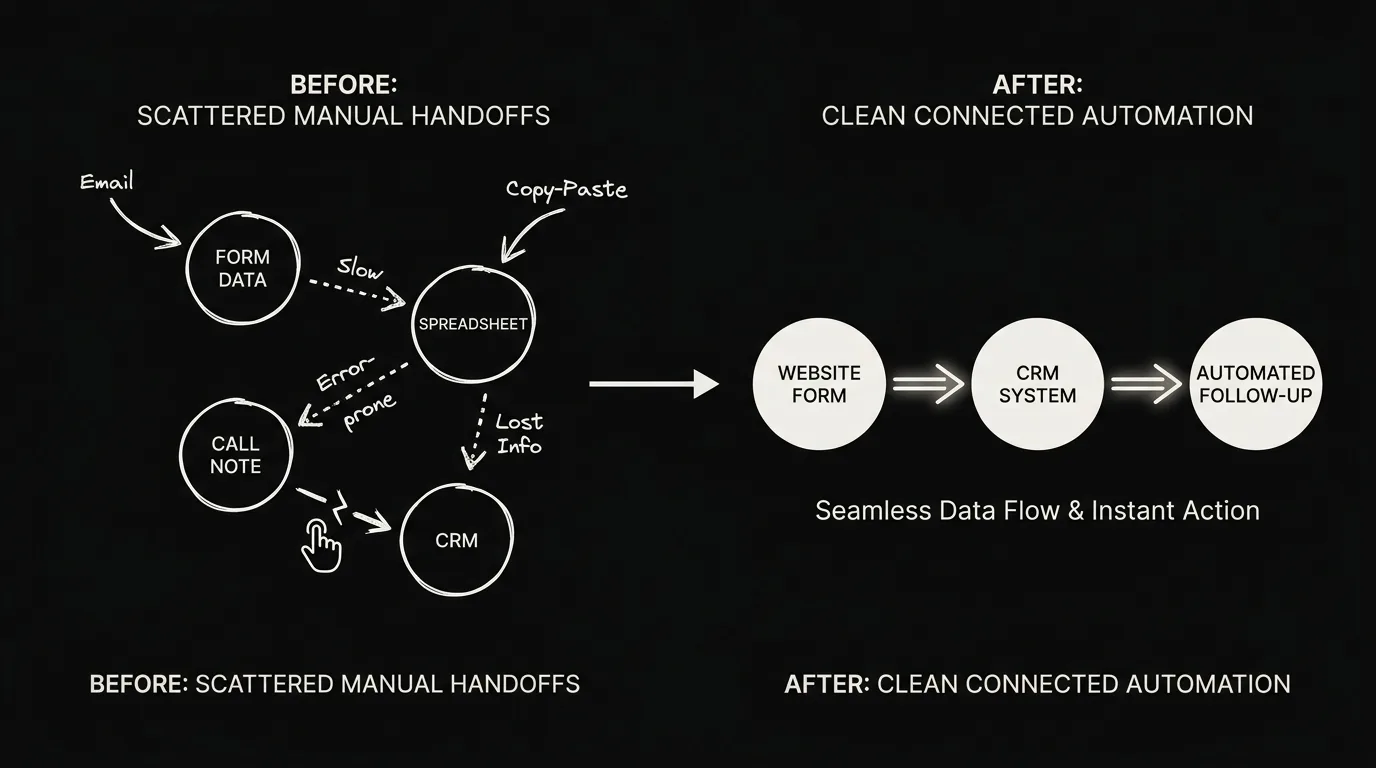
Most businesses obsess over getting more leads and pay almost no attention to what happens in the first few minutes after a lead arrives. That is backwards. The single strongest predictor of whether you turn an inbound lead into a customer is not your pitch, your pricing, or your brand. It is how fast you respond.
And most businesses are slow. Not because they do not care, but because a human has to notice the lead, and humans are on jobs, in meetings, and asleep. That gap is where deals die.
Why interest decays so fast
When someone fills out your form or requests a quote, they are as interested as they will ever be. You are top of mind, they have a need in front of them, and they are usually contacting more than one option. Every minute that passes, that interest cools and their attention moves on to the next thing in their day.
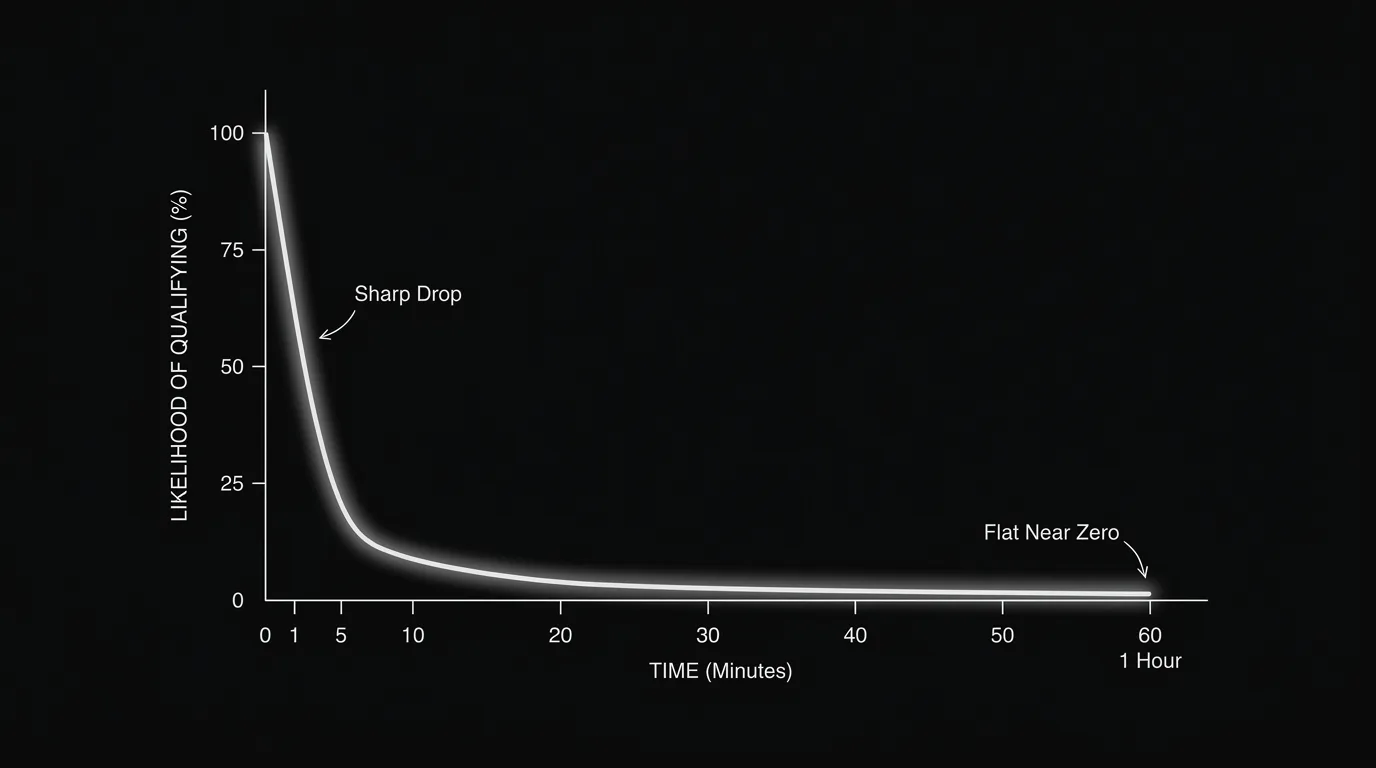
The research on this is consistent and stark: the odds of successfully contacting and qualifying a lead fall off a cliff once response time stretches past the first five to ten minutes. Wait an hour and you are not just a little late, you are talking to a fraction of the interest you had at minute one, if the lead answers at all.
A lead is a perishable asset. Its value is highest the second it arrives and drops every minute you leave it sitting.
What does slow lead response actually cost?
Here is what makes slow lead response so dangerous: it is invisible. A lead that you answered too late does not show up in your reports as a lost deal. It shows up as nothing, a form fill that never became a conversation. You paid to generate that lead through ads or SEO, and then handed it to whichever competitor answered first, and your books will never tell you it happened.
Multiply that across a month of inbound and the cost is enormous, and entirely hidden. You are effectively paying for leads and then giving a share of them away for free by being slow.
Why five minutes feels impossible without automation
Telling a busy team to respond to every lead within five minutes is not a plan, it is a wish. Your people are doing the actual work of the business. They cannot watch an inbox all day, and they should not have to. This is exactly the kind of problem automation was built for: a repetitive, time-sensitive task that does not need human judgment to start well.
How to make fast response automatic
The goal is not to make humans faster. It is to remove the human from the first step entirely, so speed does not depend on someone noticing.
- 1Fire an instant acknowledgement the moment a lead arrives, so they know they reached a real business and interest stays warm.
- 2Route the lead automatically to the right person by service, location, or specialty, with an alert they actually see.
- 3Trigger a follow-up sequence if no human responds within a set window, so nothing goes cold while your team is heads-down.
- 4Capture after-hours leads with a chat assistant that qualifies and queues them for the morning instead of losing them overnight.
Automation buys the speed; your team still does the closing. The instant response holds the lead's attention and confirms they picked a responsive business, and then a human takes over a conversation that is already warm instead of one that has gone cold. This is the single change we see move close rates the fastest, and it requires no additional leads at all, just a system that answers before interest fades.
If you are spending money to generate leads and letting them sit for hours, fixing speed to lead is almost always a higher-return move than buying more of them. You already won their attention once. Do not lose it to the clock.
Frequently asked questions
Because buyer interest decays fast. A lead is hottest in the first few minutes after they reach out, when your business is top of mind and they are actively evaluating options. Responding within five minutes dramatically increases the odds of connecting and qualifying, while waiting hours lets interest fade and competitors answer first.
Aim for under five minutes for inbound leads. Studies consistently show a steep drop in the odds of qualifying a lead once response time stretches past the first five to ten minutes, and the advantage compounds because you are often the first business to reach them.
Automate the first response and the routing. An automated acknowledgement and instant routing to the right person means the lead is engaged immediately even when your team is on a job or in a meeting. Automation buys the speed; the human still closes.
Lost deals you never see. Leads that go unanswered for hours often book with whoever replied first, so slow response does not just delay a sale, it hands it to a competitor. The cost is invisible on your books because it never becomes a lost deal, just a lead that quietly went elsewhere.